Categories
Uncategorized

Lupus and Eye Health

Lupus is one of several types of autoimmune diseases that cause the body’s own immune system to mistakenly attack and damage healthy tissues. Despite the different types of autoimmune diseases that exist, many of the symptoms are shared such as joint pain, digestive issues, fatigue, swelling, and hair or skin problems.

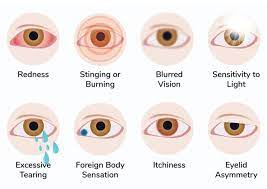
Another symptom that is often associated with having an autoimmune disease is dry eyes. This occurs when the eyes fail to produce enough tears or lack the proper amount of lubrication. According to research, over 30% of people with lupus suffer from dry eyes. If you have dry eyes, you may feel as if something is in your eye along with pain, itching, burning, or watery eyes. There are some lupus patients that also get diagnosed with Sjogren’s syndrome which is another autoimmune disease that attacks the glands of the eyes as well as the saliva in the mouth.
If you are under the care of a Rheumatologist, he or she may require that you see an eye doctor every six months especially if you take certain medications that can impact the eyes such as Plaquenil and Methotrexate. With dry eyes, you may use over the counter products such as humidifiers or eye shields to help with symptoms.

For more severe issues, you may need artificial tears or your doctor may prescribe eye drops. There are numerous brands available, but there are two brands that should no longer be purchased due to recent recalls that have been linked to serious eye infections and vision loss. With the number of cases increasing, the CDC and the FDA are warning consumers to stop using and return the following products:

  • Artificial Tears distributed by Ezricare, LLC and DELSAM Pharma which was associated with severe eye infections in over 55 patients and one death. The infections were cause by a drug resistant bacteria, Pseudomonas aeruginosa.
  • In addition, it is advised to stop using DELSAM Pharma’s Artificial Ointment.

It is so important to be aware of what we are putting in and on our bodies and to be our own advocate. If something doesn’t sit well with you, trust your intuition and speak up. After all, no one knows your body better than you do.

-Monaye

https://www.drugwatch.com/drugs/ezricare-artificial-tears/

https://www.drugwatch.com/legal/ezricare-artificial-tears-lawsuits/
Categories
mental health Uncategorized

Navigating Triggers with a Chronic Illness

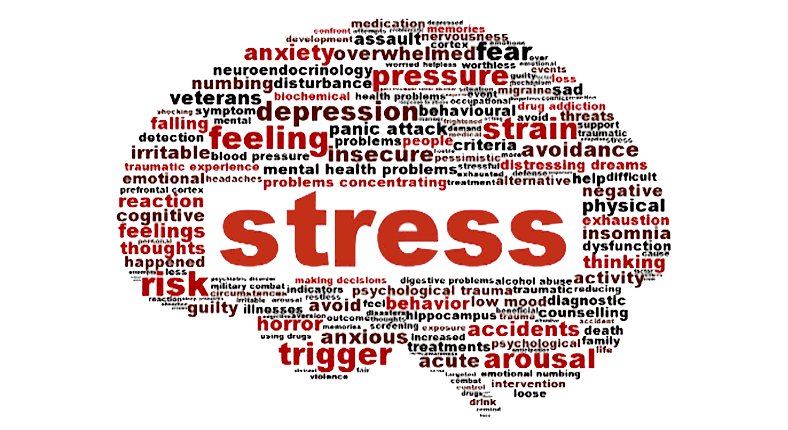
Living in this world is hard. Sometimes life can feel unfair depending on what you are dealing with. We have to deal with the stress that often comes from finances, raising children, work, health concerns, and other world issues. We have to take responsibility and be accountable for our actions which may not always feel good. It’s all a part of adulting, right?

Like me, you may have a chronic illness which brings its own list of stressors. Depending on the progression of your illness, you may be dealing with the unpredictability of the disease, increased medical expenses, the inability to work, and even depression.

In addition to all of that, we must learn to recognize and manage our emotional triggers. A trigger is any situation, person, or thing that stimulates a strong emotional response such as anger, fear, loneliness, or sadness.

The month of July is National Minority Mental Health Awareness month which is observed to bring attention to the mental health struggles that ethnic minorities face. This month is one of many triggers for me. As a young child, I lost my mother to suicide. Over the years, I have had to learn how certain things triggered me as well as the impact they had on my emotions and behavior. There were underlying issues of abandonment that stemmed from my loss which carried over into friendships and relationships with others.

Once I understood my triggers, embraced therapy, and did some self work, I was better equipped to handle those unexpected situations. Managing triggers while living with a chronic illness is vital because unaddressed triggers may result in the following:

  • Increase in flare ups
  • Lack of sleep
  • Anxiety
  • Isolation
  • Cognitive issues
  • Higher risk of heart disease, stroke, or high blood pressure
  • Weight gain or loss

I encourage you to pay attention to what triggers you, how you react, and incorporate some healthy ways to address them.

Eat a well balanced diet, try guided meditation, stay active, avoid negative environments, let go of things that no longer support you, and lean on or find a support system.

Remember to be patient and kind with yourself.

-Monaye

Categories
Uncategorized

Chronic Disease and Nutrition

Managing a chronic illness on a day-to-day basis is not easy. Depending on what you are dealing with, you probably visit a specialist and take medications that are aimed at providing relief of your pain and discomfort.

While medications can certainly help, our food choices and the things we drink contribute to how we feel. Research has shown that when heavily processed or sugary foods are consumed, this increases the level of inflammation in the body. For people with a chronic illness like Lupus, Sjogrens, RA, or MS, this can cause debilitating symptoms such as painful joints, migraines, digestive issues, and fatigue.

It is easier and less costly (physically and financially) in the long run to eat in a way that promotes good health, than to be forced to deal with the aftermath of unhealthy eating. Making choices which do not contribute to a healthy lifestyle can lead to heart disease, diabetes, high blood pressure, organ involvement, and the development of other illnesses. It is advisable to check with your doctor with regard to any dietary changes, but in general the focus should be on whole foods such as fresh vegetables, fruits, seeds, nuts, good fats, sustainable protein, and foods high in fiber. All of these foods promote good gut health as well.

For me, I gradually cut out meat and dairy and have followed a plant based lifestyle for some time now. This along with exercise, stress management, and focusing on gratitude has helped tremendously. Do I still have flare-ups? Sure, but knowing what helps my body to recover is key. Try eliminating certain foods for a while and pay attention to how you feel once they are added back. It can be a process to discovering what works for you, so be patient. Just stay consistent and committed to your well-being.

-Monaye

Categories
Uncategorized

Don’t Lose Yourself

What a year this has been. Living with Lupus is not without it’s challenges. Some days are good, while others can make me question everything. It’s tough to navigate life’s path while looking “normal” to the outside world, but dealing with all of the things people don’t see when they look at me. After all, I am the one who deals with the emotional and physical pain, the feelings of disease alienation, and the numerous changes to my body that have joined me on this unpredictable journey.

What I’ve had to realize is that while Lupus is a part of my life, it is not who I am. I am not my fatigue. I am not my various pains and nerve damage. I am not the hair or digestive issues. My identity is not tied to an illness, but rather to who Christ says that I am. Victorious. Strong and courageous. More than a conqueror. This body of mine is just a temporary vessel and regardless of what it goes through, the spirit who lives on the inside of me has already won the battle.

I choose to honor the warrior that’s always been on the inside of me even before Lupus made it’s presence known. My authentic self. That’s what really matters. Whether you are fighting Lupus or some other chronic illness, don’t lose yourself in the process.

Monaye

Categories
Uncategorized

Are You Self-Aware?

If you were to ask most people whether they are self-aware, you may get various responses. Each person has his or her own fundamental idea of what self-awareness means. There are those who believe their level of self-awareness is pretty high and others who may not be so sure and that is okay. Let’s define what self-awareness is.

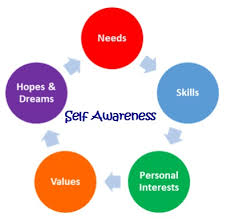
Self-awareness means being connected to your feelings, emotions, strengths, weaknesses, and needs, as well as being cognizant of how we interact with others. When we know who we are, we are typically better prepared to deal with the things that life brings our way.

Here are some of the ways being self-aware can benefit us:

1- It helps us choose relationships with others wisely, engage with those with similar values, and encourages the setting of emotional boundaries within those relationships.

2- Being self-aware helps us to eliminate self-doubt which holds us back from being our true self.

3- It also allows us to stay mindful of what our needs are physically, mentally, and spiritually. This is vital especially if you have an autoimmune or other chronic illness. By being self-aware, we are able to notice when we need to seek the assistance of a health professional and advocate for ourselves.

4- We are better prepared in stressful situations and are more likely to respond rather than react in a negative way which could trigger a flare-up in some people.

5- Cultivating our self-awareness helps us to pay attention to areas where mistakes may have been made, giving yourself credit for what you did right, and then creating ways to make improvements going forward.

Monaye